Introduction: The Rise of Versatile Kitchen Appliances
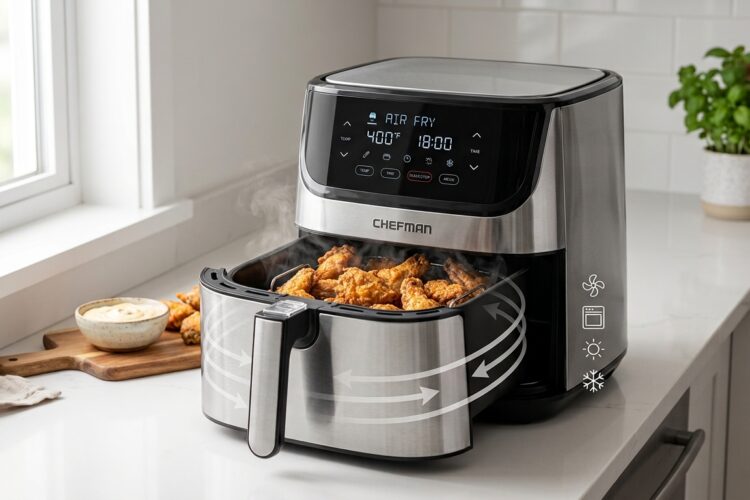
Over the past several years, air fryers have transitioned from a niche kitchen gadget to a mainstream appliance found in many homes. What started as a curiosity has evolved into a legitimate cooking method that appeals to people with different dietary preferences, cooking styles, and time constraints. The technology works by circulating hot air at high speeds around food, creating a crispy exterior through a process called the Maillard reaction—the same browning effect you’d achieve in an oven or deep fryer, but without requiring large amounts of oil.
The appeal extends beyond just the crispy results. Air fryers offer faster cooking times compared to conventional ovens, take up less counter space than a full-sized range, and provide an alternative cooking method that fits into modern, busy lifestyles. However, as the market has matured, so have the products themselves. Consumers looking to cook for larger families or entertain guests have increasingly turned to larger-capacity models that can handle bigger portions and batch cooking.
One category gaining attention is the larger air fryer with multiple cooking functions. These appliances promise to consolidate several countertop tools into one unit. Understanding what these machines can and cannot do, along with their practical applications, helps people make informed decisions about whether such an appliance fits their needs.
Key Features of Large-Capacity Multi-Function Air Fryers
Capacity and Size Considerations
The most obvious feature of a larger air fryer is its size. An 8-quart capacity is significantly larger than the standard 4 to 5.5-quart models that dominate the market. In practical terms, this translates to cooking more food simultaneously—a full rotisserie chicken, a large batch of French fries, or multiple portions of different items at once. For families of five or more, or for anyone who regularly entertains, this capacity can be genuinely useful.
The larger basket also affects cooking dynamics. More space around each item typically means better air circulation and more even cooking, assuming the appliance is designed with this in mind. However, there are trade-offs. A bigger machine occupies more counter real estate, consumes more electricity, and takes longer to preheat to temperature.
Multi-Function Cooking Capabilities
Many larger air fryers now include functions beyond air frying. The four-in-one designation typically refers to air frying, baking, dehydrating, and roasting capabilities. These aren’t entirely separate cooking methods—they’re mostly variations in temperature, timing, and airflow patterns. Understanding what each function actually does helps set realistic expectations.
Air frying uses high-speed circulating hot air at temperatures typically between 300°F and 400°F. Baking functions operate similarly but at lower heat levels, mimicking a conventional oven for items like biscuits, cakes, and breads. Dehydrating requires sustained low heat for extended periods, removing moisture from foods like fruits, vegetables, and jerky. Roasting typically falls somewhere between air frying and baking, cooking items at moderate temperatures with perhaps slightly different airflow patterns.
Temperature Range and Performance Features
The inclusion of a 450°F high-fry option represents a specific technical capability worth examining. Standard air fryers operate up to around 400°F, which is adequate for most applications. The extra 50 degrees can matter for specific purposes—creating extra crispiness on items that benefit from very high heat, or shortening cooking times for certain foods.
However, higher temperatures also come with considerations. Foods can dry out more quickly at extreme heat. The appliance’s heating element, electrical components, and basket materials must be rated for sustained operation at these temperatures. A manufacturer wouldn’t advertise this capability unless the unit could handle it reliably, but it’s one of those features where more isn’t always better for every cooking situation.
Non-Stick Coating and Dishwasher-Safe Components
A non-stick basket that’s also dishwasher-safe addresses one of the primary maintenance concerns with air fryers. Non-stick surfaces reduce sticking and make cleanup easier by hand, while dishwasher compatibility saves time for busy users. The durability of these coatings matters more than many people realize. A coating that degrades quickly becomes non-non-stick, effectively negating one of the appliance’s benefits.
Stainless steel housing suggests a focus on durability and aesthetics. Stainless steel resists fingerprints and corrosion better than painted finishes, and tends to feel more substantial in a kitchen environment. It also typically indicates a somewhat premium construction quality, though material choice doesn’t automatically guarantee durability or performance.
Practical Applications: How Large Air Fryers Fit Into Real Cooking
Family Meal Preparation
For households with four or more people, the capacity advantage becomes immediately apparent. A standard air fryer might require cooking proteins in batches, which extends meal preparation time. An 8-quart model can often handle a week’s worth of chicken breasts in a single session, or prepare an entire family dinner’s protein simultaneously.
This becomes particularly useful for meal-prepping—a practice where people cook multiple servings at once for consumption throughout the week. With a larger capacity, someone might prepare six to eight portions of grilled chicken, roasted vegetables, or pan-seared tofu in less time than preparing individual meals.
Entertaining and Gatherings
For people who regularly host dinners or gatherings, a larger air fryer offers practical advantages. Appetizers like mozzarella sticks, spring rolls, or vegetable fritters can be prepared in substantial quantities without requiring multiple cooking batches. Side dishes for casual entertaining—like roasted potatoes, Brussels sprouts, or chicken wings—benefit from the extra capacity.
The multi-function capability becomes relevant here too. The dehydrating function, for instance, allows preparation of homemade vegetable chips or dried fruit as party snacks. The baking function opens possibilities for cooking items like homemade fries alongside other components.
Batch Cooking and Freezer Stocking
Larger families or those inclined toward batch cooking on weekends can utilize the full capacity for making freezer-friendly items. Breaded chicken nuggets, marinated chicken wings, or seasoned beef meatballs can be cooked in single batches sufficient for multiple meals. This requires less frequent cooking throughout the week and reduces daily preparation time.
Baking and Dehydrating Possibilities
The baking function in a multi-function air fryer opens different cooking possibilities. While not everyone wants to replace their conventional oven for all baking, a large air fryer might supplement it effectively. Items like biscuits, small desserts, or bread rolls can be baked alongside other foods.
The dehydrating function serves niche but genuinely useful purposes. Homemade vegetable or fruit chips, jerky preparation, and drying herbs become accessible to people without a dedicated dehydrator. For those interested in food preservation, foraging, or simply reducing food waste, this function has practical applications.
Who Might Find a Large Multi-Function Air Fryer Useful
Larger Households
Families with five or more members represent an obvious use case. The capacity directly addresses their cooking volume needs, and the time savings from batch cooking can be substantial.
Health-Conscious Cooks
People focused on reducing oil consumption while still enjoying crispy, flavorful foods find air frying aligned with their goals. The method uses minimal oil compared to deep frying or even traditional pan-searing, yet achieves similar textural results.
Time-Efficient Meal Preparers
Anyone practicing meal preparation to save time during the week benefits from larger cooking capacity. Spending one to two hours on Sunday meal prep yields several days of ready-to-heat portions, significantly reducing weekday kitchen time.
Entertaining Enthusiasts
People who frequently host dinners, game nights, or casual gatherings find that a larger air fryer enables easier appetizer and side dish preparation. The ability to cook substantial quantities simultaneously without requiring a traditional oven keeps the appliance free for other purposes.
Adventurous Home Cooks
Those interested in exploring different cooking techniques—particularly dehydrating for making jerky or chips, or baking items they’d normally use a conventional oven for—find the multi-function capability appealing.
Space-Conscious Individuals
Apartment dwellers or those with limited counter space might appreciate consolidating multiple small appliances (a separate dehydrator or toaster oven) into one unit, despite the larger footprint.
Important Practical Considerations Before Selecting This Type of Appliance
Electrical Requirements and Kitchen Infrastructure
An 8-quart air fryer with 450°F capability requires significant electrical power. Most modern kitchen circuits can handle this, but older homes or kitchens with many appliances on a single circuit might experience issues. It’s worth checking your kitchen’s electrical setup or consulting with someone knowledgeable before assuming you can simply plug this in anywhere.
Counter Space and Storage
While 8 quarts is larger than standard air fryers, the absolute footprint varies by model. These appliances typically measure 16-18 inches in width and depth, and about 14 inches in height. They’re not small countertop appliances. If you’re considering this purchase, actually measure your available counter space and envision the appliance there.
Preheating Time
Larger appliances generally require longer preheating periods than smaller ones. Where a compact air fryer might preheat in three to five minutes, a larger model could take eight to ten minutes. This matters if you’re seeking the speed advantage that air fryers typically offer.
Learning Curve for Multi-Function Cooking
Each function—air frying, baking, dehydrating—requires different temperature and timing approaches. There’s a learning period where results might be inconsistent as you figure out optimal settings. Generic recipes from the internet might not translate perfectly to your specific appliance. Patience and willingness to experiment help significantly.
Maintenance of Non-Stick Coating
Non-stick coatings, while convenient, have limitations. Using metal utensils can scratch them. Dishwasher cycles can eventually degrade the coating, though most manufacturers state their coatings are dishwasher-safe. Hand washing typically extends coating lifespan. If the coating fails, the appliance becomes significantly less convenient to use.
Cooking Dynamics at Full Capacity
While larger capacity enables cooking bigger batches, it doesn’t automatically mean perfect results when the basket is completely full. Air circulation can be compromised with food stacked densely. Understanding optimal loading for your appliance prevents disappointment with uneven cooking.
Noise Levels
Larger appliances with more powerful fans tend to be noisier. If your kitchen is open to living spaces or you have noise sensitivity, this is worth investigating. Some models are significantly louder than others, and this aspect often doesn’t receive much attention in product descriptions.
General Comparisons: Air Fryers in the Larger Capacity Category
The market now includes several options for larger air fryers, and they fall into different categories based on design and functionality.
Traditional Air Fryers in Larger Sizes
Some manufacturers offer their existing air fryer designs in larger capacities without adding multi-function capabilities. These focus on doing air frying exceptionally well. The advantage is simplicity—one primary function means less complexity and potentially more reliable performance at that specific task. The disadvantage is obviously limited versatility.
Air Fryer Oven Hybrids
Some products combine air frying with convection oven capabilities in a larger format. These typically have a removable rack system that allows cooking multiple items at different temperatures simultaneously. They often have larger overall footprints and different power requirements. The advantage is versatility; the disadvantage is that this is almost a second oven, which defeats some of the space-saving appeal.
Multi-Function Countertop Cookers
Products that include air frying, baking, dehydrating, and sometimes additional functions like rotisserie or slow cooking represent the broadest category. The advantage is true versatility and potential to replace multiple appliances. The disadvantage is that being good at everything is harder than specializing, and complexity increases the likelihood of reliability issues.
Pressure Cooker and Air Fryer Combinations
Some multi-cookers now add air frying to pressure cooking, slow cooking, and other functions. These represent the broadest possible versatility but also the highest complexity and learning curve.
When comparing across categories, consider what you’ll actually use. Someone who occasionally bakes and rarely dehydrates doesn’t need those functions, while someone building a reduced-kitchen setup benefits from maximum versatility.
Frequently Asked Questions About Large-Capacity Multi-Function Air Fryers
How much electricity does an 8-quart air fryer actually consume?
Most large air fryers draw between 1,400 and 1,700 watts when operating at full power. This is similar to a microwave or toaster oven. It won’t dramatically increase your electric bill, but it does mean running it uses meaningful electrical power, which matters if you’re already pushing your kitchen circuit capacity.
Can you really bake in an air fryer, or is this marketing hype?
You can bake in a multi-function air fryer, but results vary. Simple items like biscuits or small cakes work reasonably well. Complex bakes requiring precise temperature control—like delicate pastries or finicky cookie doughs—sometimes yield unpredictable results. The circulating hot air environment is fundamentally different from a conventional oven. Most people find they can bake some things successfully but wouldn’t abandon their regular oven entirely.
What’s the actual difference between air frying and baking modes?
Typically, the difference comes down to temperature, fan speed, and rack position. Baking modes usually operate at lower temperatures with potentially different fan speeds or patterns. In some units, the difference is minimal—essentially just temperature presets. In others, the airflow or heating distribution might actually change. Check the manual for your specific model to understand what each function genuinely does.
How long does dehydrating actually take?
Dehydrating food is a slow process. Vegetable chips might take four to eight hours, depending on thickness and moisture content. Meat jerky can take twelve to twenty-four hours. Dried fruit typically requires eight to sixteen hours. It’s not something you do when you need results quickly—it’s more of a passive process where you set the temperature and forget about it for many hours. It’s more efficient than using a full-sized oven on low heat, but slower than high-heat cooking methods.
Will this really fit a whole chicken?
Most 8-quart air fryers can accommodate a whole chicken up to about five pounds. Larger birds won’t fit. The limitation isn’t weight as much as physical dimensions. You need to be able to close the basket or lid with the chicken inside.
Is the dishwasher-safe basket worth the premium cost?
This depends on your habits. If you hand wash everything anyway, it provides minimal value. If you use the dishwasher regularly, it’s genuinely convenient. Hand washing extends the life of the non-stick coating, so there’s a trade-off between convenience and durability.
Can you cook multiple items at different temperatures simultaneously?
Most multi-function air fryers don’t offer this capability. You’re limited to one temperature and one set of cooking parameters per cooking session. Some multi-tiered designs might allow different items on different racks, but they typically cook at the same temperature. This is different from a conventional oven, where you might run one temperature throughout.
How does the 450°F setting compare to standard air fryers?
It allows cooking at a higher temperature than most standard models, which top out around 400°F. Is this significant? For most applications, probably not dramatically. Some foods might achieve slightly extra crispiness, and some items might cook marginally faster. It’s a feature with real benefits in specific scenarios but not universally necessary.
What’s the noise level actually like?
Large air fryers are noticeably louder than small ones, simply because of the more powerful fan required to circulate air through a larger cavity. Expect something in the 65-75 decibel range when operating—roughly comparable to a busy restaurant or moderate traffic noise. This matters if your kitchen adjoins living spaces.
Is the learning curve really steep for multi-function cooking?
It depends on your cooking experience. Someone already comfortable in the kitchen might need just a few experiments to dial in settings. Someone less experienced cooking might find it frustrating initially. The difference is that recipes for these functions are less standardized than traditional cooking methods, so some trial-and-error is normal.
Conclusion: Evaluating Whether This Type of Appliance Makes Sense for You
Large-capacity multi-function air fryers represent a specific solution for specific situations. They’re not universally necessary or ideal, but for certain households and cooking styles, they fill a genuine need.
The size advantage directly serves larger families or frequent entertainers. The multi-function capability appeals to people interested in exploring different cooking methods or those looking to consolidate multiple appliances. The specific features like 450°F capability, non-stick dishwasher-safe baskets, and stainless steel construction add convenience and durability—though these benefits are incremental rather than revolutionary.
The real decision comes down to honest self-assessment: Do you cook for a large household or entertain regularly enough to use the capacity? Are you interested in exploring baking or dehydrating, or would you primarily air fry? Do you have the counter space and electrical capacity? Can you afford this appliance and store it appropriately?
If you find yourself answering yes to most of these questions, an 8-quart multi-function model might integrate well into your kitchen. If you primarily need basic air frying or have limited space, a smaller specialized model might serve you better.
The market continues to evolve, and these appliances keep improving. Researching the specific model you’re considering—reading detailed descriptions, understanding warranties, checking build quality—helps ensure your investment matches your actual cooking needs rather than just the marketing appeal of having multiple functions.